Can You Swim With Turtles in Thailand?
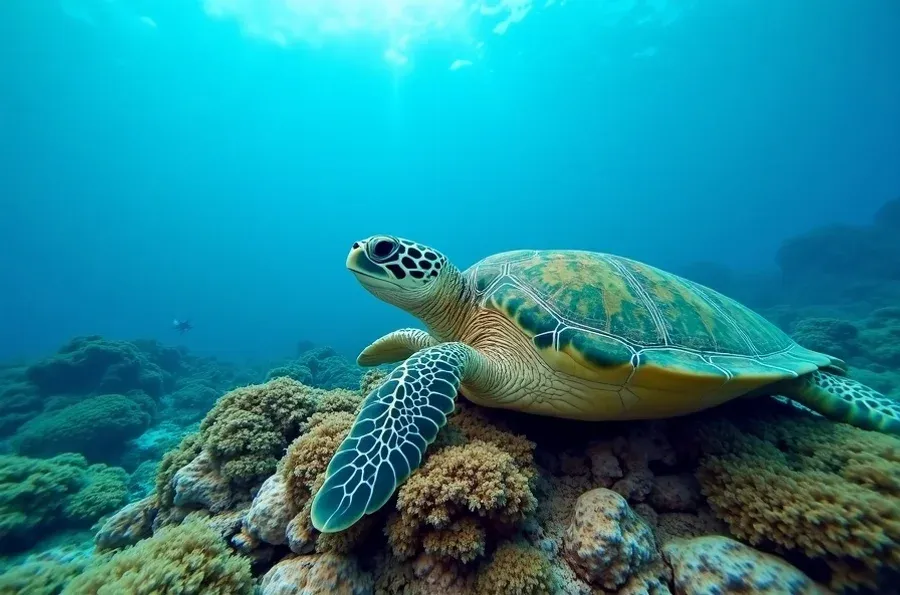
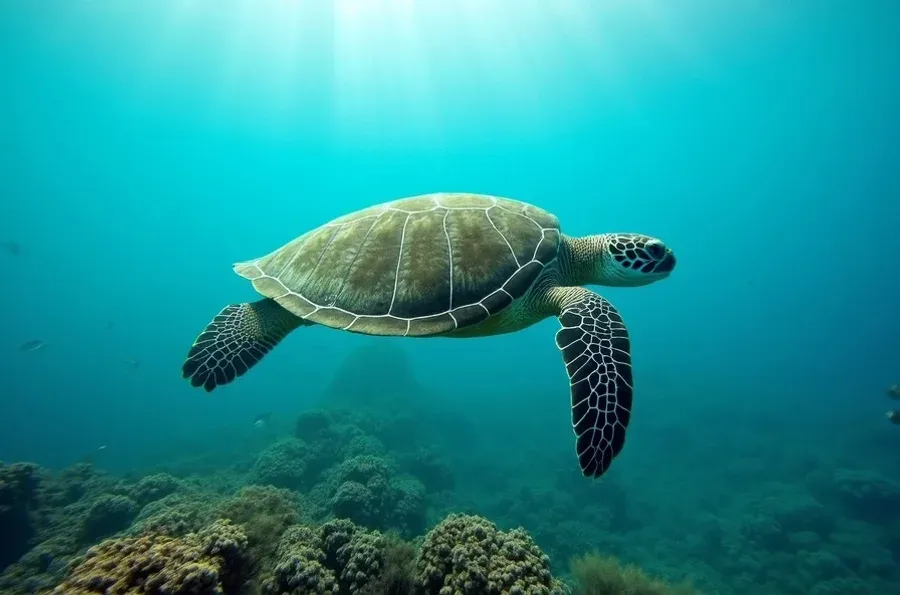
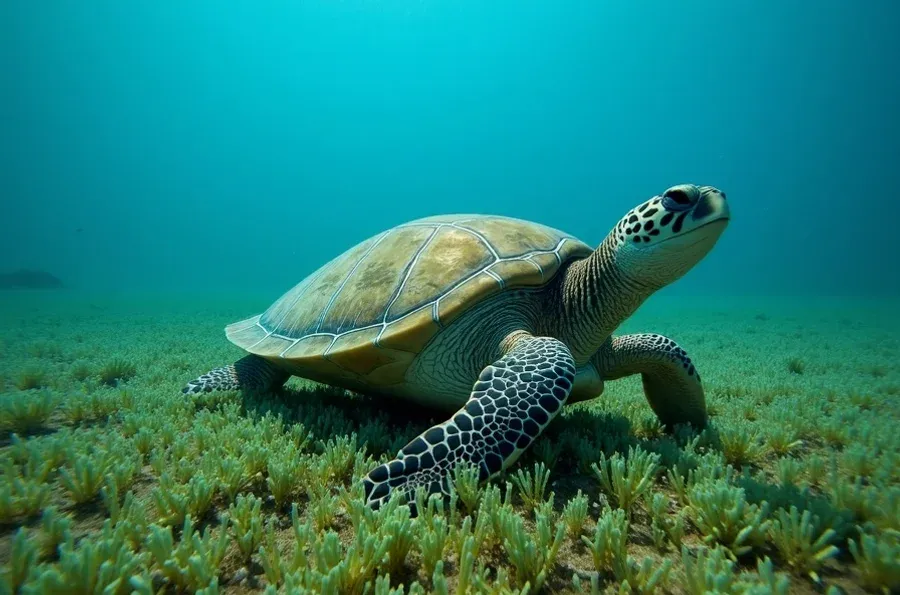
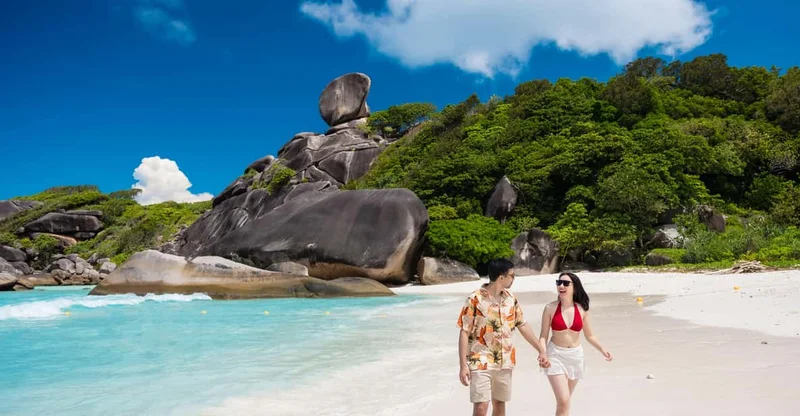
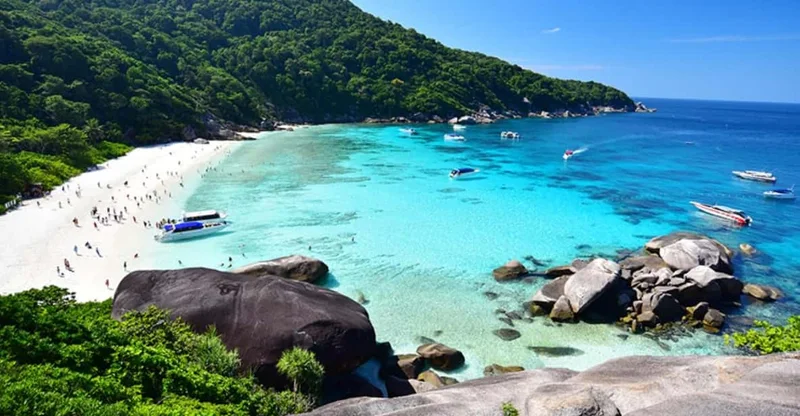
Yes. You can swim with turtles in Thailand on both coasts: green and hawksbill turtles are the two species snorkelers meet most, and the Similan Islands, the Surin Islands and Phi Phi in the Andaman Sea and Shark Bay on Koh Tao in the Gulf are the most reliable places.
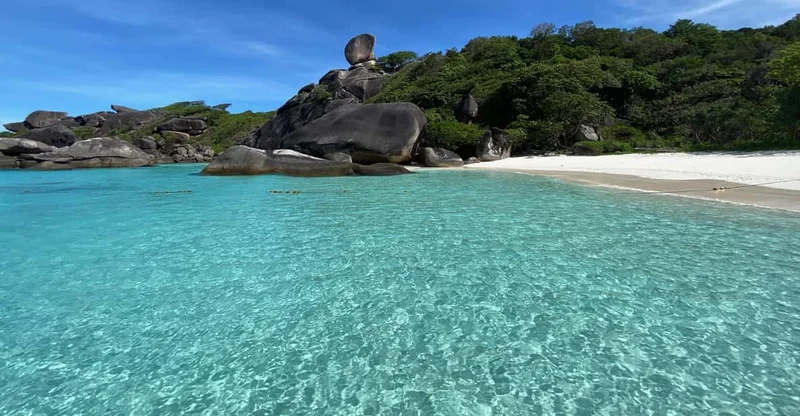
No encounter is guaranteed anywhere, but the Similans are the easiest to plan from Phuket, with turtles common around the mooring rocks near Island 9. The early-bird Similan snorkeling trip reaches the reefs before the other boats, which is when turtles are easiest to find.
Where to swim with turtles in Thailand, by sea and by how you get there, from Thailand snorkeling guides and the national park authority.
| Place | Sea | How you get there | Good to know |
|---|---|---|---|
| Similan Islands | Andaman | Speedboat day trip from Khao Lak or Phuket | Park open 15 October to 15 May |
| Surin Islands | Andaman | Boat from the Khao Lak coast | Seasonal park, closes for the monsoon |
| Phi Phi Islands | Andaman | Boat trip from Phuket or Krabi | Turtles common on the reefs |
| Shark Bay, Koh Tao | Gulf of Thailand | Snorkel from the beach | Best early in the morning |
Source: Snorkeling Thailand, sea turtles, Department of National Parks, Mu Ko Similan, Visit Thailand Today, Shark Bay, Tisland, Similan and Surin season.
When Are the Similan Islands Open?
The Similan Islands are open from 15 October to 15 May every year and closed from 16 May to 14 October, when the southwest monsoon makes the crossing unsafe. No tourist boats run in the closed season.
Within the open season, December to April brings the calmest sea and clearest water. Keep the receipt for the national park entrance fee with you, as rangers check it on the islands.
Which Similan Islands Tour Is Right for You?
Sea Turtle Species & Best Months in Similan Islands
| Species | January–March | April–June | July–September | October–December | Likelihood |
|---|---|---|---|---|---|
| Green Sea Turtle | Regular | Regular | Closed | Regular | On the reef |
| Hawksbill Turtle | Regular | Regular | Closed | Regular | On the reef |
What to Expect on the Day
Early pickup on the mainland
Tours pick you up from Khao Lak or Phuket before dawn and drive to the Khao Lak pier for the speedboat.
Choose an early-bird trip to reach the reefs before the main crowd of boats.Speedboat to the Similans
Cross the Andaman Sea by speedboat to the national park islands, about an hour from Khao Lak.
Snorkel the reefs
Snorkel several sites among the coral and granite boulders, where turtles, reef fish and rays gather.
Beach and lunch
Land on a white-sand island for lunch and a swim before more snorkeling and the ride back.
Sea Turtle Behaviors to Watch For
Cruising the Coral
Green and hawksbill turtles move between the coral heads and granite boulders of the Similan reefs, feeding and resting where snorkelers watch from the surface.
Resting Under Ledges
Turtles tuck under coral ledges and boulders to rest. A resting turtle should be left alone, watched from a distance rather than followed.
Surfacing to Breathe
Turtles rise for air every few minutes to about an hour. Give them a clear path to the surface and never crowd the space above one.
What to Bring (and What to Leave at Home)
✓ Bring
- Reef-safe (oxybenzone-free) sunscreen
- Swimsuit worn under your clothes
- Towel and a change of clothes
- Waterproof phone case or GoPro
- Motion-sickness tablet for the speedboat
- Some cash in baht for tips and extras
- Your booking voucher (printed or phone)
✗ Leave at home
- Regular sunscreen (banned in the national park)
- Anything you would touch a turtle or the coral with
- Single-use plastics (restricted in the park)
- Fins if you cannot control them over shallow coral
Where Tours Depart From
| Port / Area | Details | Best for |
|---|---|---|
| Khao Lak | The closest mainland base to the Similans, with the shortest speedboat crossing. | Shorter transfer to the reefs |
| Phuket | A longer road transfer to the Khao Lak pier, but easy if you are based in Phuket. | Travelers staying in Phuket |
How to Choose an Ethical Tour
What ethical operators do
- Brief a strict no-touch, no-chase policy
- Keep a respectful distance from turtles
- Never block a turtle’s path to the surface
- Require reef-safe sunscreen from all guests
- Cap group sizes for calmer encounters
- Support reef and sea-turtle conservation
Red flags to avoid
- Let guests touch, ride, or chase turtles
- Feed turtles to lure them in
- Crowd or corner a turtle in the water
- Stand on coral or trample seagrass
- Oversized groups with no guide in the water
- Any “hold a turtle” photo op