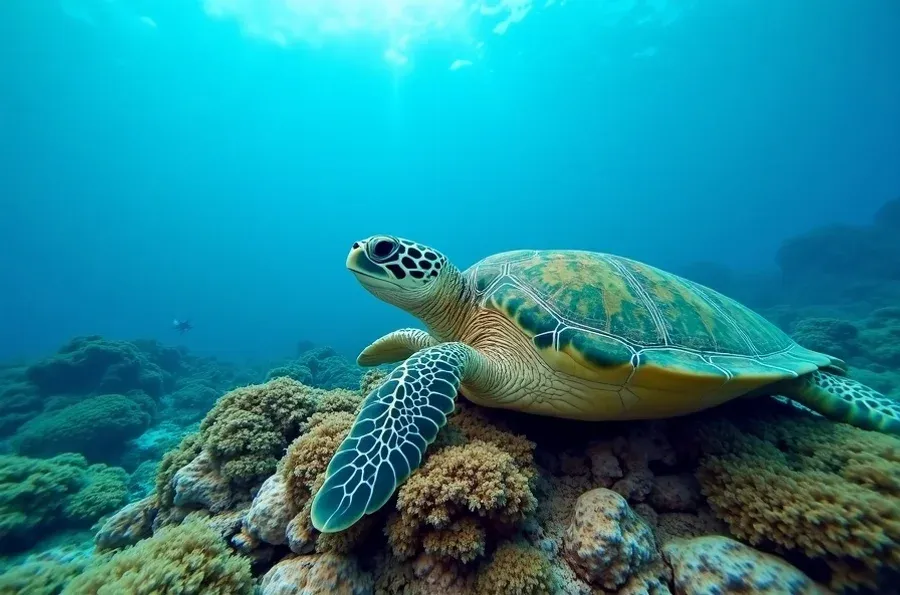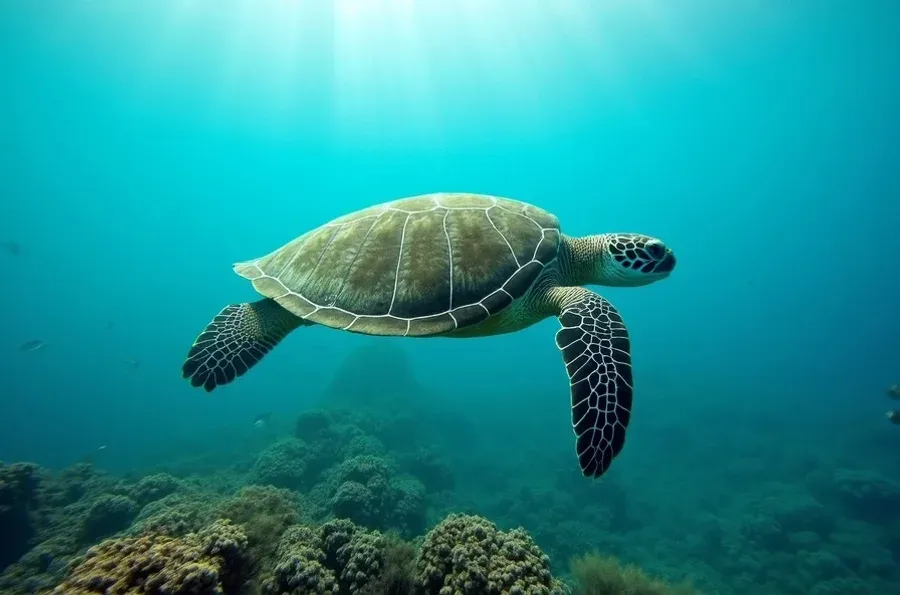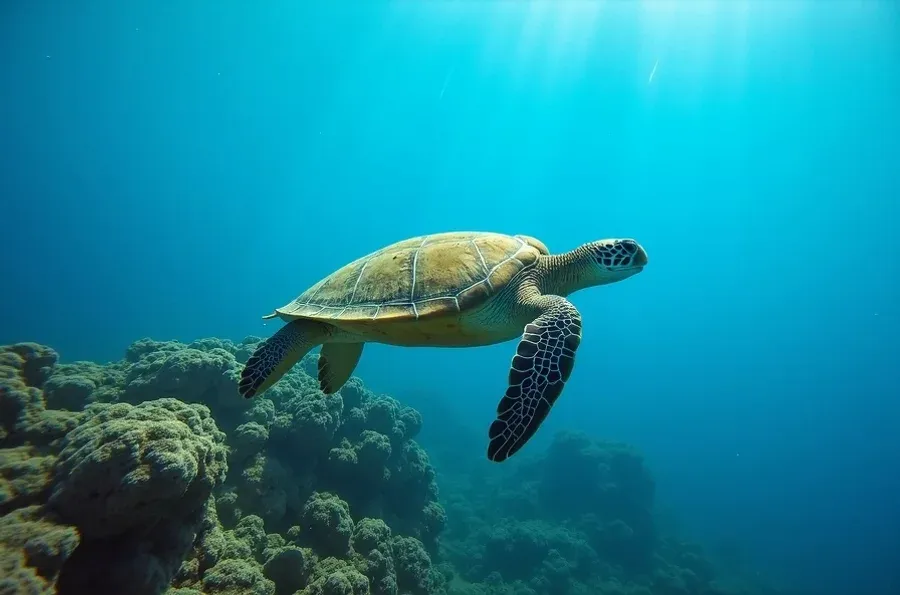
Why Are There So Many Turtles at Apo Island?
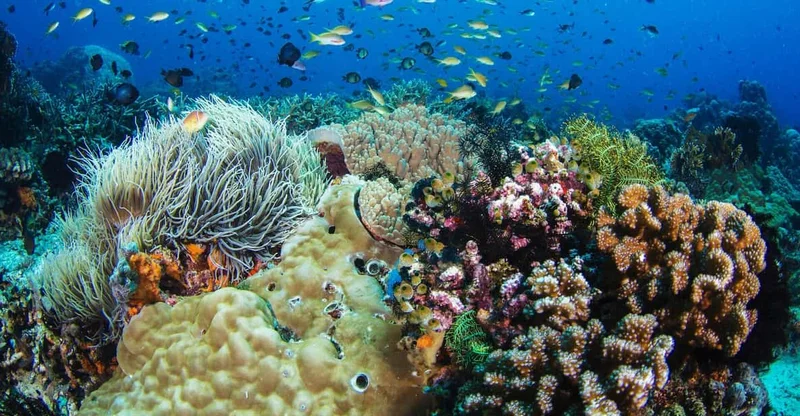
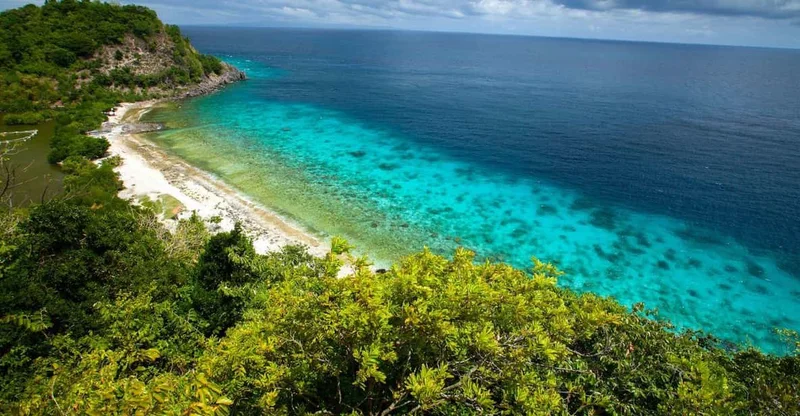
Apo Island has been a no-take marine sanctuary since 1982, when the island community and scientists from Silliman University in Dumaguete set it up. With no fishing allowed, the seagrass beds and reefs recovered, and green turtles and hawksbills now feed here year-round instead of passing through.
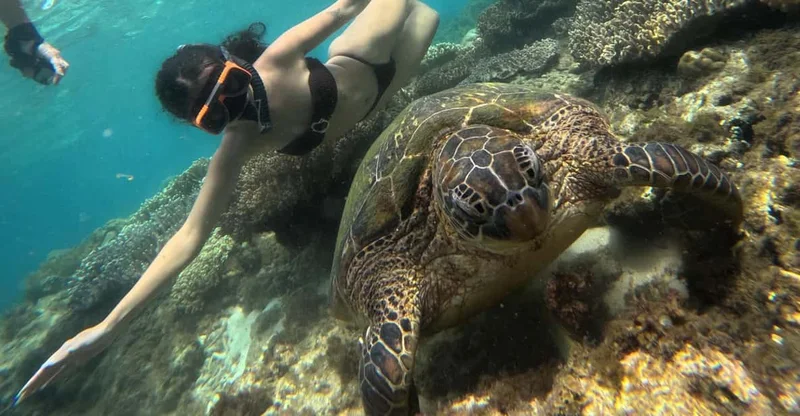
The turtles graze the shallow seagrass off the main beach, which is why you can float over them a few metres from shore. Both species are protected, so you snorkel the turtle area with a local guide and keep your distance.
Apo Island Fees and How the Visit Works
Every visitor registers at the office on the beach and pays the sanctuary fees on arrival. The money goes to the island community to keep the sanctuary clean and to support the families who gave up fishing there. The day tours below include these fees in the price.
To go on your own, drive about 45 minutes from Dumaguete to the Malatapay boat point at Zamboanguita, where boat prices are posted on a board, then cross for about 45 minutes by bangka. Boats wait while you snorkel and usually head back by mid-afternoon.
Source: DumagueteInfo, Apo Island day trip.
Which Apo Island Tour Is Right for You?
| Tour | Duration | Group size | Best for | Rating | From | |
|---|---|---|---|---|---|---|
| Turtle snorkel + private transfer | Full day | Private | Top-rated, easiest logistics | 4.9★ | $134 | Check → |
| Snorkel + island hike (joiners) | Full day | Shared | Turtles plus a viewpoint hike | New | $134 | Check → |
| Full-day snorkel with lunch | Full day | Small | Reefs and a longer day | 4.2★ | $144 | Check → |
Sea Turtle Species & Best Months in Apo Island
| Species | January–March | April–June | July–September | October–December | Likelihood |
|---|---|---|---|---|---|
| Green Sea Turtle | Common | Common | Common | Common | Near-guaranteed |
| Hawksbill Turtle | Regular | Regular | Regular | Regular | Regular |
What to Expect on the Day
Transfer to the coast
Tours pick you up in Dumaguete and drive to the Malatapay or Dauin coast, where the boats to Apo leave.
Book a morning trip. The crossing and the sanctuary are calmest early in the day.Cross to Apo Island
Ride a traditional bangka boat across to Apo, about 30 to 45 minutes over open water.
Snorkel with the turtles
Pay the sanctuary fee and snorkel the shallow seagrass with a local guide, where green turtles graze close to shore.
Snorkel the coral reefs
Move to Apo's coral walls and gardens for reef fish, hawksbills and some of the best coral in the Philippines.
Relax or hike
Have lunch on the island, and on some trips climb to the viewpoint before the boat back.
Sea Turtle Behaviors to Watch For
Grazing the Seagrass
Green turtles crop the seagrass meadows in the shallow sanctuary off Apo Island's beach, where snorkelers drift over them a few metres from shore.
Resting on the Reef
Turtles settle on the coral and sand to rest between feeds. A resting turtle should be watched from a distance, not woken or followed.
Surfacing to Breathe
Turtles rise for air every few minutes to about an hour. Give them a clear path to the surface and never crowd the space above one.
What to Bring (and What to Leave at Home)
✓ Bring
- Reef-safe (oxybenzone-free) sunscreen
- Swimsuit worn under your clothes
- Towel and a change of clothes
- Waterproof phone case or GoPro
- Water shoes for the rocky beach entry
- Cash in pesos for the sanctuary fee and tips
- Your booking voucher (printed or phone)
✗ Leave at home
- Regular sunscreen (harmful to the coral)
- Anything you would touch a turtle or the coral with
- Single-use plastics
- Fins if you cannot control them over shallow coral
Where Tours Depart From
| Port / Area | Details | Best for |
|---|---|---|
| Malatapay / Dauin | The coastal launch point for boats to Apo Island, south of Dumaguete. | Boat crossings to Apo |
| Dumaguete | The main city and airport on Negros, where most tours pick up. | Hotel pickup and transfers |
How to Choose an Ethical Tour
What ethical operators do
- Brief a strict no-touch, no-chase policy
- Keep a respectful distance from turtles
- Never block a turtle’s path to the surface
- Require reef-safe sunscreen from all guests
- Cap group sizes for calmer encounters
- Support reef and sea-turtle conservation
Red flags to avoid
- Let guests touch, ride, or chase turtles
- Feed turtles to lure them in
- Crowd or corner a turtle in the water
- Stand on coral or trample seagrass
- Oversized groups with no guide in the water
- Any “hold a turtle” photo op